The above information will be used only by Outpost Natural Foods for the express purpose of sending an e-newsletter. Outpost shopper information is never shared with other organizations or businesses.



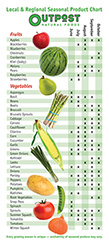

At Outpost, we know how to select only the freshest, best tasting root veggies. They are a snap to prepare, full of flavor and add good nutrition, texture and color to everyday meals. You can also find many local seasonal root vegetables through mid winter. Ask any of our produce experts!
Beets (red, yellow, white, Chioggia)
Pleasant, sweet and earthy. The highest sugar content of any root vegetable, though low in calories. Good source of potassium, vitamins C and A, and antioxidants. Refrigerate in a plastic bag for up to 1 week. Steam, cook, boil, roast or juice. The red pigment is a powerful dye and will stain.
Great with dill, basil, tarragon, cumin, parsley and garlic, potatoes, spinach, herring, slow cooked beef or ham, horseradish, goat cheese, sour cream, balsamic vinegar.
Carrots (orange, purple, yellow, white)
Mild, honey sweet. Good source of Vitamin A. Look for carrots that are firm. Refrigerate in a plastic bag up to 10 days. Can be eaten raw, steamed, cooked, boiled, roasted and juiced. Store away from apples, pears and other produce that create ethylene gas – it will leave them bitter.
Great with dill, coriander, tarragon, chives, cinnamon, curry, thyme, rosemary, celery, onion, orange, dried apricots, tomato, raisins, shallots, beef, chicken, honey.
Celery Root (Celeriac)
Delicate and celery-like with solid, fibrous flesh. Rich in phosphorous and potassium. Celery root should be firm with no brown, soft spots. Store as you would celery. Excellent in soups and stews or grated on salads.
Great with nutmeg, cinnamon, cloves, garlic, allspice, apples, potatoes, truffles, game birds, roasted beef, veal and chicken, cream, mayonnaise, mustard.
Jerusalem Artichoke (Sunchokes)
Slightly sweet and nutty, reminiscent of jicama or water chestnuts. Excellent source of iron, fiber, vitamins B and C and inulin. Store in a plastic bag in the refrigerator for up to 5 days. Briefly soak in lemon water during prep to avoid discoloration. Overcooking makes them mushy. Aluminum and iron pans will cause sunchokes to turn an unappealing grey. Add 1 teaspoon of lemon juice to the cooking water to prevent discoloration.
Great with cinnamon, cloves, mint, nutmeg, onion, roasted meats, butter, cream, mustard, nut oils, vinaigrette.
Parsnip
A complex mix of sweetness and earthy herbal notes; more earthy than a turnip. Good source of folic acid. Unrefrigerated parsnips kept in a plastic bag can be kept for up to two weeks. Cook, steam or roast. Peeled or cut parsnips will turn brown quickly, so either cook them right away or hold in a bowl of lemon water, drain and cook.
Great with tarragon, chervil, chives, thyme, curry, nutmeg, ginger, cinnamon, allspice, sage, rosemary, apples, leeks, oranges, truffles, other root vegetables, stews and ragouts, brown butter, brown sugar, cream, maple syrup.
Rutabaga
Similar to turnips, but larger, rounder, sweeter, pungent and peppery (like a radish) yellow flesh with purple tinged skin. Good source of vitamins C and B6, folate, potassium and fiber. Choose rutabagas that are firm, smooth skinned and heavy for their size. Store in a cool, dark place. Some rutabagas come with a wax coating. These should be peeled first. Terrific boiled, roasted or steamed.
Great with curry, marjoram, thyme; lemon, onions, potatoes; duck, lamb, pork; cream, mustard vinaigrette, vinegar.
Turnip
Turnips are slightly sweet, pungent and peppery (like a radish), white flesh with purple tinged skin. Good source of vitamins C and B6, folate, potassium and fiber. Turnips larger than 3” in diameter can be woody. Store in a cool, dark place.
Great with curry, marjoram, thyme; lemon, onions, potatoes; duck, lamb, pork; cream, mustard vinaigrette, vinegar.